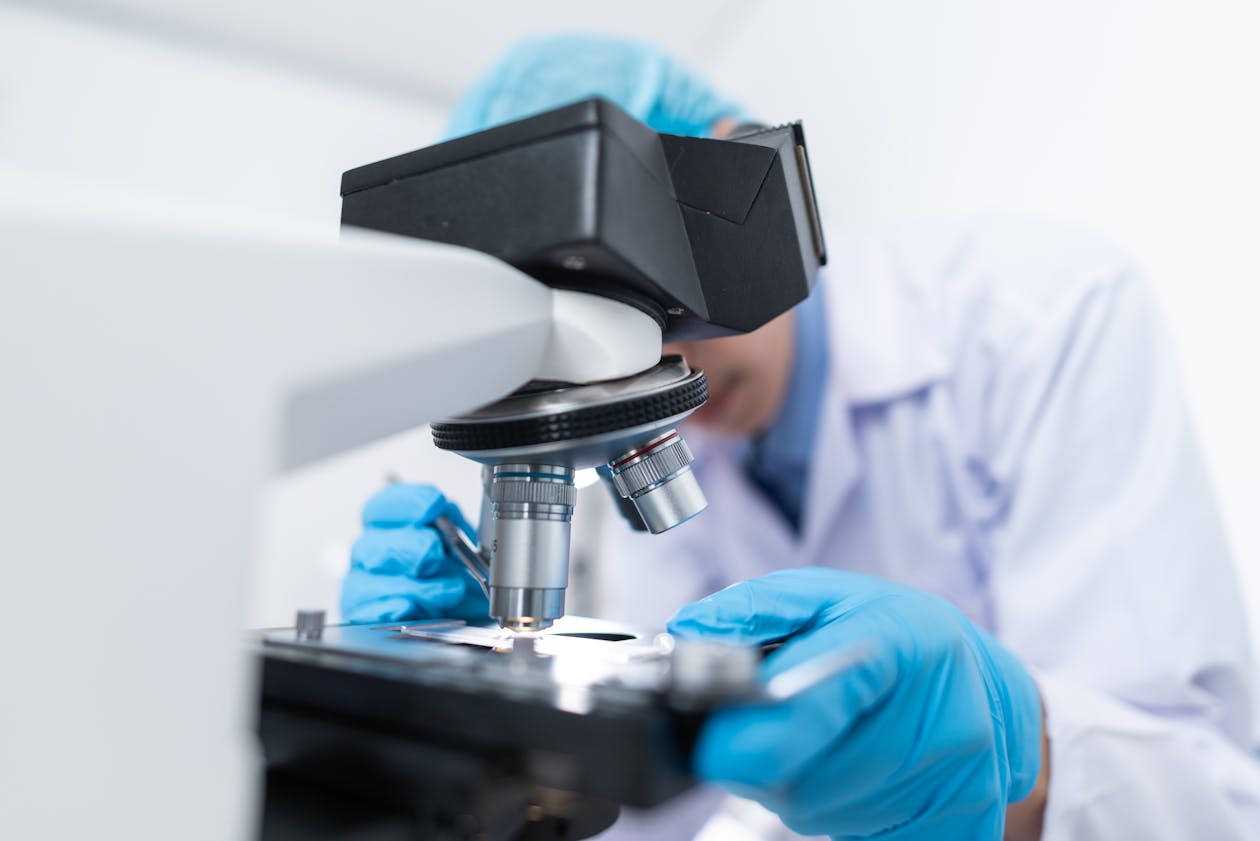
The extraction method used to pull CBD from hemp determines more about final product quality than any other single factor. Here's what each method does and why CO2 extraction is the gold standard.
Extraction Methods Compared
| Factor | CO2 Extraction | Ethanol | Hydrocarbon |
|---|---|---|---|
| Purity | ✓ Highest | Good | Variable |
| Solvent residue risk | ✓ None | Low (if processed correctly) | ✗ Higher |
| Preserves terpenes | ✓ | Partially | ✓ |
| Precise compound control | ✓ | ✗ | ✗ |
| Equipment cost | High | Moderate | Low |
| Used by premium brands | ✓ | Some | ✗ |
CO2 Extraction: The Gold Standard

Supercritical CO2 extraction uses pressurized carbon dioxide to pull cannabinoids from hemp. It produces the cleanest extract with zero solvent residue and allows precise control over which compounds are extracted. It's the most expensive method — which is partly why CO2-extracted products cost more. But the quality difference is real.
Populum uses CO2 extraction for all their products — it's one of the reasons their lab results consistently match label claims within 5%.
Full-Spectrum vs Broad-Spectrum vs Isolate
Full-Spectrum
- CBD + other cannabinoids + trace THC (under 0.3%)
- Terpenes and flavonoids preserved
- "Entourage effect" — compounds work synergistically
- Most clinical research uses full-spectrum
- Best for: maximum therapeutic potential
Broad-Spectrum / Isolate
- Broad: THC removed, other compounds retained
- Isolate: pure CBD only (99%+)
- No THC = no drug test risk
- Less entourage effect
- Best for: THC-sensitive users, drug testing concerns
How to Check Extraction Quality

The Certificate of Analysis (COA) tells you everything. A credible COA from an independent lab should show cannabinoid potency, pesticide screening, heavy metals, and residual solvents. If a brand doesn't publish COAs or uses in-house testing, move on. Our buying guide covers the full quality checklist.
Alternatives to Standard CBD Oil
CBD oil is the most common format, but it is not the only option. Depending on your goals, these alternatives may be worth considering instead of or alongside traditional tinctures:
- CBD beverages — nano-emulsified drinks offer faster onset (15-30 minutes) than oil. See our CBD vs THC beverages comparison for a full breakdown.
- CBD topicals — applied directly to skin for localized muscle and joint support. No systemic absorption, so no drug test concerns.
- CBG and CBN products — other cannabinoids targeting different receptors. CBG shows early anti-inflammatory promise; CBN is marketed for sleep, though evidence is limited.
- Non-cannabinoid adaptogens — ashwagandha, L-theanine, and magnesium glycinate address overlapping wellness goals without any cannabinoid content.
- THC:CBD ratio products — for those open to mild psychoactive effects, balanced ratio beverages like Just Chill (4mg THC / 4mg CBD) offer a different experience than CBD alone.