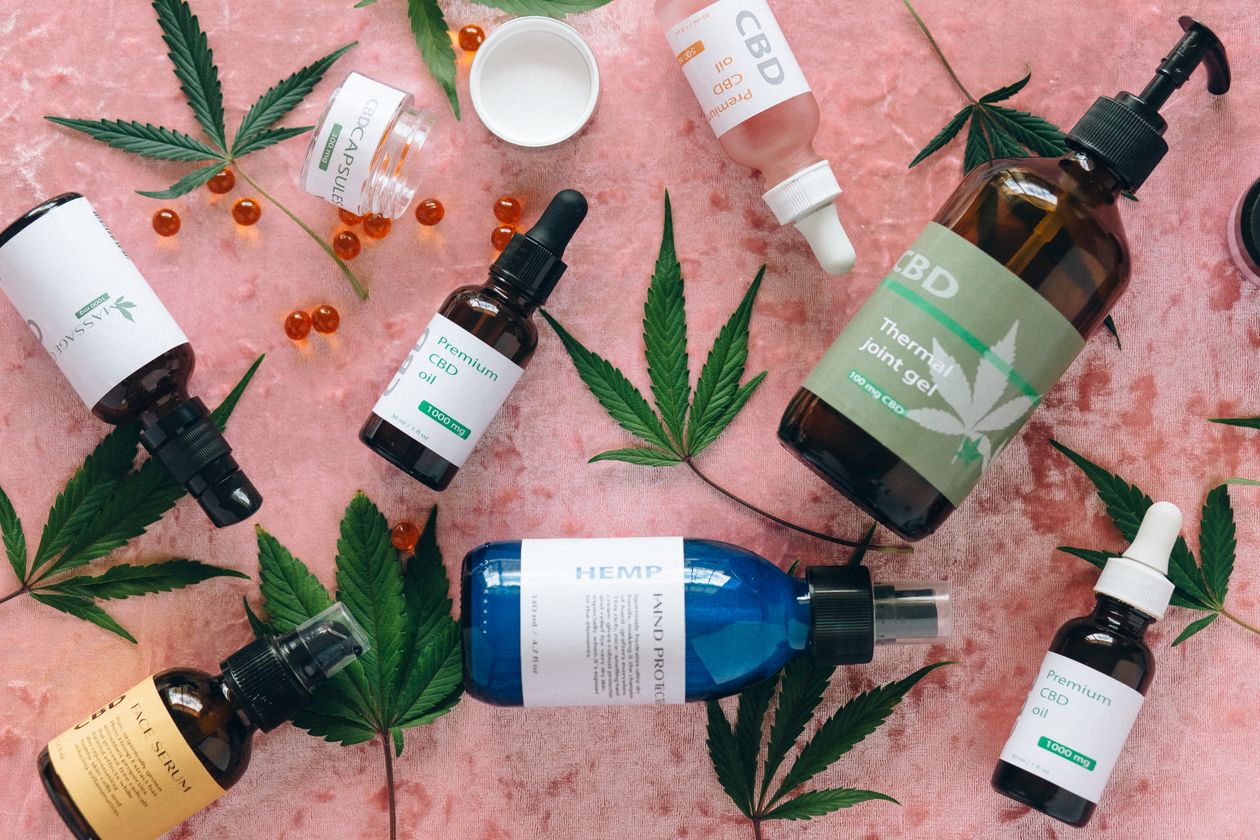
No federal regulation means the quality gap between CBD products is enormous. Here's the 5-step checklist for evaluating any CBD product before you buy.
The 5-Step Quality Check
1. Find the COA
A Certificate of Analysis from an independent, accredited lab is the single most important document. It should be batch-specific (not a generic "representative" report), recent (within 12 months), and cover: cannabinoid potency, pesticides, heavy metals, residual solvents, and microbial contaminants. No COA = no purchase.
2. Verify Label Accuracy
Compare the COA's CBD content to the label claim. Reputable products test within 10% of stated amount. A 2017 JAMA study found 1 in 4 CBD products tested contained less CBD than labeled. This is still the norm for low-quality brands.
3. Check Extraction Method
CO2 extraction = gold standard. Ethanol = acceptable. Hydrocarbon (butane/propane) = avoid unless COA confirms clean residual solvent results. If the brand doesn't disclose their extraction method, that's a red flag.
4. Understand the Spectrum
Full-spectrum (includes trace THC + entourage effect) generally outperforms isolate in studies. Choose broad-spectrum if you need zero THC for drug testing. Isolate is cheapest but least effective.
5. Start Low, Go Slow
10–25mg/day to start. Sublingual delivery (under the tongue, held 60 seconds) has better bioavailability than capsules or gummies. Give each dose 5–7 days before adjusting.
How to Choose the Right CBD Product: Step by Step
- Step 1: Define your goal. Are you looking for daily wellness support, post-exercise recovery, better sleep, or localized pain relief? Your goal determines the product format — tincture, capsule, topical, or beverage.
- Step 2: Choose your spectrum. Full-spectrum (maximum entourage effect, trace THC), broad-spectrum (THC removed), or isolate (pure CBD, cheapest). Our extraction guide explains the differences in detail.
- Step 3: Set a budget. Quality CBD costs $0.05-$0.15 per milligram. Anything significantly cheaper likely cuts corners on extraction or testing.
- Step 4: Find the COA. Before purchasing, locate the brand's third-party lab results. No COA means no purchase — full stop.
- Step 5: Start low and track results. Begin at 10-25mg/day, give each dose 5-7 days, and keep notes on sleep, mood, and any changes before adjusting.
Alternatives to CBD

CBD is one option on a broader wellness spectrum. Depending on your situation, these alternatives may be more appropriate:
- Full-spectrum vs. isolate — if full-spectrum isn't working, try isolate (or vice versa). Different people respond differently to the entourage effect.
- CBG (cannabigerol) — the "parent cannabinoid" with early anti-inflammatory research. Available as a standalone product or in combination with CBD.
- Adaptogens — ashwagandha, rhodiola, and L-theanine address stress and sleep without cannabinoids. A reasonable alternative for people who want to avoid cannabis-derived products entirely.
- Low-dose THC beverages — instead of CBD alone, ratio products combine both cannabinoids. Just Chill craft tonics (4mg THC / 4mg CBD) offer a gentle introduction to THC with CBD's balancing effect.
- Prescription options — for specific conditions like epilepsy or severe anxiety, FDA-approved medications (including Epidiolex for seizures) may be more appropriate than over-the-counter CBD.
Red Flags to Avoid
- Disease claims ("cures cancer," "treats diabetes")
- No third-party COAs or in-house testing only
- CBD content significantly below label claims
- "Hemp extract" without specifying CBD milligrams
- No identifiable company or customer service contact
A Brand That Gets It Right
Populum checks every box: CO2 extraction, batch-specific COAs from independent labs, full-spectrum formulation, CBD content within 5% of label claims, and a 30-day risk-free trial. They're the standard we recommend for first-time buyers who want transparency they can verify. You can also shop Populum products directly at Get Populum.
For answers to common questions about CBD quality and safety, check our FAQ section. To understand how CBD and THC beverages compare, see our CBD vs THC drinks guide.
Who Should Use CBD — and Who Shouldn't

CBD is not for everyone, and the right product type depends on your specific situation. Here's an honest breakdown of who CBD is best for, who should proceed with caution, and who should avoid it entirely.
Best For: Daily Wellness and Stress Support
CBD is best for adults looking for non-intoxicating support for everyday stress, sleep quality, and general wellbeing. Full-spectrum tinctures are ideal for people who want the entourage effect and don't face drug testing. If you're already using adaptogens, magnesium, or other wellness supplements, CBD fits naturally into that routine. CBD beverages are best for social situations where you want a functional drink without alcohol — brands like Populum offer convenient ready-to-drink options.
Best For: Athletes and Active Recovery
CBD is recommended for post-exercise recovery due to its interaction with inflammatory pathways. The World Anti-Doping Agency (WADA) removed CBD from its prohibited list in 2018, making it the only cannabinoid permitted for competitive athletes. Topical CBD products are ideal for localized muscle soreness, while oral CBD supports systemic recovery. Note: THC and other cannabinoids remain prohibited by WADA, so athletes must use isolate or broad-spectrum products with verified non-detect THC levels.
Best For: People Exploring Cannabis for the First Time
If you're curious about cannabinoids but not ready for psychoactive effects, CBD is the right starting point. It lets you experience the endocannabinoid system without intoxication. From there, ratio products like Just Chill (4mg THC / 4mg CBD) offer a gentle step into THC territory with CBD's balancing effect.
Not Ideal For: People on Certain Medications
CBD inhibits cytochrome P450 enzymes (CYP3A4 and CYP2D6) in the liver — the same enzymes that metabolize many common medications including blood thinners (warfarin), certain heart medications, and some anti-seizure drugs (Nasrin et al., Drug Metabolism and Disposition, 2021). If you take prescription medications, CBD is not ideal for you without medical guidance. Consult a healthcare provider before combining CBD with any prescription drug.
Not Ideal For: Pregnant or Nursing Women
The FDA strongly advises against CBD use during pregnancy and breastfeeding. There is insufficient safety data, and cannabinoids can cross the placental barrier and appear in breast milk. This population should avoid CBD products entirely until more research is available.
Not Ideal For: Anyone Seeking a Medical Cure
CBD is not a cure for any disease. The only FDA-approved CBD medication is Epidiolex, prescribed for rare and severe forms of epilepsy (Lennox-Gastaut and Dravet syndromes). While preliminary research shows promise in areas like anxiety and pain management, CBD should not replace evidence-based medical treatment. Anyone using CBD for a specific health condition should do so under the guidance of a healthcare provider, not as a substitute for conventional medicine.