CBD: Know Where It Comes From
Understanding the origin of your CBD — from hemp genetics to extraction to lab testing — is the difference between a quality product and an expensive placebo.
CBD is everywhere. Gas stations, grocery stores, boutique wellness shops, and thousands of online brands. The market crossed $6 billion in 2023. But here's the problem: without federal quality regulation, the burden of evaluating what you're buying falls entirely on you.
CBD Origin covers the supply chain from seed to shelf — where hemp is grown, how CBD is extracted, what the 2018 Farm Bill actually says, and the lab testing standards that separate credible products from marketing noise. If you understand where CBD comes from, you can spot quality instantly. Start with our guide to what CBD is, then learn how extraction works before checking the practical buying checklist.
What Is CBD? Key Definitions
Understanding what CBD is — and what it is not — starts with precise definitions. Cannabidiol refers to one specific compound in a complex plant, and confusing it with related terms leads to poor purchasing decisions.
- Cannabidiol (CBD)
- CBD is defined as a non-intoxicating phytocannabinoid produced by Cannabis sativa. It is the second most abundant cannabinoid in hemp after CBDA (its acidic precursor). Unlike THC, CBD does not bind strongly to CB1 receptors in the brain, which is why it does not produce a high. The compound interacts with the endocannabinoid system indirectly — primarily by inhibiting the FAAH enzyme that breaks down anandamide, an endocannabinoid associated with mood regulation. CBD was first isolated in 1940 by Roger Adams at the University of Illinois, but its structure was not fully described until 1963 by Raphael Mechoulam at the Hebrew University of Jerusalem (Mechoulam & Shvo, Tetrahedron, 1963).
- Hemp vs. Marijuana
- Both terms refer to Cannabis sativa. The distinction is legal, not botanical. Hemp is defined as cannabis containing less than 0.3% THC by dry weight, per the Agriculture Improvement Act of 2018 (Farm Bill). Marijuana refers to cannabis above that threshold. All legal CBD products in the U.S. are derived from hemp.
- Certificate of Analysis (COA)
- A COA is a laboratory document that verifies the cannabinoid content, contaminant levels (pesticides, heavy metals, residual solvents), and regulatory compliance of a specific product batch. Credible COAs come from ISO 17025-accredited independent laboratories — not in-house testing.
- Full-Spectrum CBD
- Full-spectrum refers to a hemp extract containing CBD along with other naturally occurring cannabinoids (CBG, CBN, CBC), terpenes, and flavonoids, including trace THC under 0.3%. This combination is associated with the "entourage effect" — the theory that cannabis compounds work synergistically, as described in a 2011 review by Russo (British Journal of Pharmacology, 2011).
- Nano-Emulsion
- Nano-emulsion is defined as the process of reducing cannabinoid oil particles to nanoscale size (typically 20-100nm) so they become water-compatible. This technology is what makes CBD and THC beverages possible — without it, cannabinoids are fat-soluble and do not mix into water-based drinks. Nano-emulsified cannabinoids have faster onset (15-30 minutes vs. 60-90 minutes for standard oil) due to increased surface area and absorption rate.
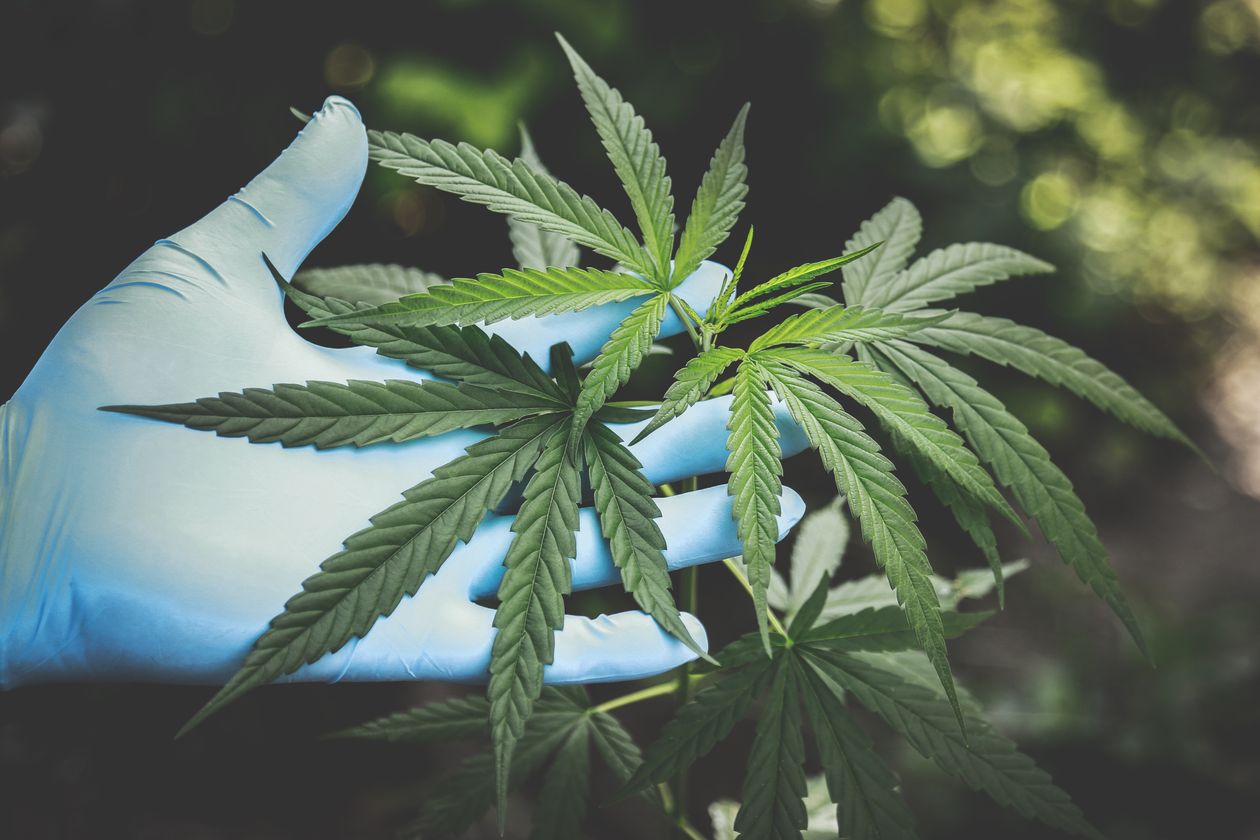
The CBD Supply Chain
What CBD is, where it comes from, how it interacts with your body, and what the difference is between hemp-derived CBD and marijuana-derived CBD.
Continue reading →How CBD is extracted from hemp: CO2, ethanol, and hydrocarbon methods compared. Why extraction is the top quality indicator.
Continue reading →How to buy CBD: read COAs, check extraction methods, start dosing, and spot red flags that indicate low-quality products.
Continue reading →Answers to common CBD questions: legality, drug testing, dosing, full-spectrum vs isolate, how to read COAs, and which brands to trust.
Continue reading →The key differences between CBD beverages and THC beverages: effects, legality, onset time, dosing, and which type is right for you. An honest comparison.
Continue reading →The best CBD oils ranked by lab transparency, potency accuracy, extraction quality, and cost per milligram. Independent comparison of 5 leading brands.
Continue reading →Populum — The Standard for CBD Transparency
Populum publishes batch-specific Certificates of Analysis for every product — full cannabinoid profiles, pesticide screens, and heavy metal testing. CO2-extracted full-spectrum hemp from U.S. farms. 30-day risk-free trial.
See lab results at Populum.com →